

Choosing between water based polyurethane and oil based polyurethane can dramatically impact the appearance, durability, application process, and long-term maintenance of your wood finishing project.
For years, oil based polyurethane dominated the market because of its durability and rich amber appearance. Today, advances in coating technology have made modern water based polyurethane a high-performance alternative that offers faster dry times, lower VOCs, easier cleanup, and excellent clarity without sacrificing protection.
Whether you are finishing furniture, cabinetry, millwork, or commercial woodworking projects, understanding the differences between these two finishes will help you choose the right coating for your needs.If you are looking for professional-grade coatings designed for durability, clarity, and low VOC performance, explore these water based polyurethanes from Target Coatings..
What is Polyurethane?
Polyurethane is a protective finish used to seal and protect wood surfaces from moisture, scratches, chemicals, stains, and everyday wear.
It is commonly used on:
- Furniture
- Cabinets
- Interior woodwork
- Countertops
- Tables
- Commercial millwork
- Wood doors
- High-use surfaces
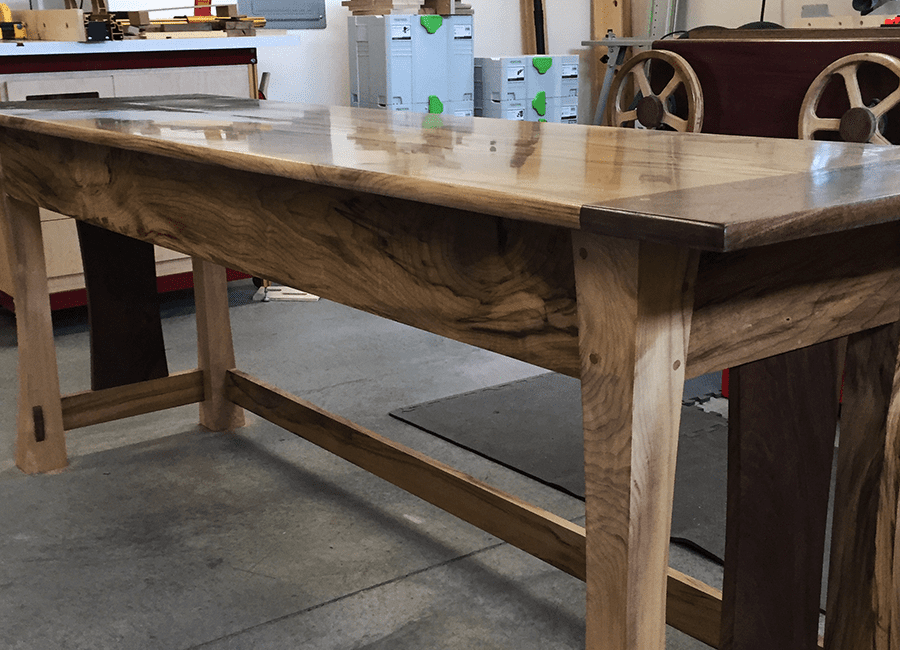
Polyurethane coatings are available in two primary categories:
- Water based polyurethane
- Oil based polyurethane
While both create a durable protective film, they differ significantly in appearance, drying time, odor, environmental impact, and application characteristics.
Water Based Polyurethane vs. Oil Based Polyurethane: Quick Comparison
| Feature | Water-Based Polyurethane | Oil-Based Polyurethane |
| Appearance | Clear, non-yellowing | Warm, amber tone |
| Durability | Excellent modern durability | Excellent durability |
| Application | Spray, brush, roll | Spray, brush, roll, wipe |
| Dry Time | Faster drying | Slower drying |
| Recoat Time | Shorter | Longer |
| Color Stability | Maintains wood tone | Yellows over time |
| Odor | Lower odor | Stronger, solvent odor |
| VOC Levels | Lower VOC | Higher VOC |
| Environmental Impact | More eco-friendly | Less eco-friendly |
| Cleanup | Soap and water | Mineral spirits |
What is Water-Based Polyurethane?
Water based polyurethane uses water as the primary carrier instead of petroleum-based solvents. Modern formulations often contain advanced self-crosslinking resins that create highly durable finishes suitable for both residential and commercial applications.
Today’s high-performance water based coatings provide:
- Excellent clarity
- Fast curing
- Low VOC content
- Strong chemical resistance
- Improved scratch resistance
- Reduced odor during application
Unlike older formulations, many modern water based urethanes now rival or exceed the performance of traditional oil-based products in many applications.
What is Oil-Based Polyurethane?
Oil based polyurethane uses petroleum solvents and oil-modified resins to create a durable protective coating.
Many woodworkers still appreciate oil based polyurethane because it:
- Adds warmth to wood surfaces
- Enhances darker wood tones
- Provides a traditional finish appearance
- Has a longer working time during application
However, oil based coatings also come with disadvantages, including higher VOC emissions, longer dry times, stronger odors, and continued yellowing over time.
8 Questions to Help You Choose the Right Polyurethane
1. What Final Appearance Do You Want?
One of the biggest differences between water based and oil based polyurethane is appearance.
Water Based Polyurethane Appearance
Water based polyurethane dries crystal clear and typically remains clear for years without yellowing.
This makes it ideal when you want to preserve the natural appearance of woods like:
- Maple
- Birch
- White oak
- Ash
- Light-toned hardwoods
Modern water based finishes are especially popular in contemporary woodworking because they maintain a clean, natural wood look.
Oil Based Polyurethane Appearance
Oil based polyurethane adds a warm amber hue that deepens over time.
Some woodworkers intentionally choose oil based finishes for:
- Traditional furniture styles
- Rustic aesthetics
- Darker wood species
- Vintage appearance
However, this ambering effect continues to intensify with age and UV exposure.
Best Choice for Clear Finish Retention
Best Choice for Warm Amber Tone
Oil based polyurethane
2. How Important Is Durability?
Durability used to be one of the strongest arguments for oil based polyurethane. That gap has narrowed significantly.
Modern self-crosslinking water based polyurethane systems now offer:
- Excellent abrasion resistance
- Strong chemical resistance
- High impact resistance
- Moisture protection
- UV resistance
- Commercial-grade performance
For furniture, cabinetry, architectural woodwork, and many commercial applications, a professional-grade water based urethane can deliver outstanding long-term durability.
Oil based polyurethane still performs extremely well in demanding environments, but modern water based coatings have evolved substantially in recent years.
If durability and low VOC performance are priorities, professional-grade water based polyurethane coatings provide advanced protection while maintaining a cleaner application process.
3. How Important Are Safety and VOC Levels?
This is one area where water based polyurethane has a major advantage.
Water Based Polyurethane Benefits
Water based coatings generally contain lower levels of volatile organic compounds (VOCs), making them:
- Lower odor
- Easier to apply indoors
- More environmentally conscious
- Safer for occupied spaces
- Easier on applicators
Many modern water based coatings are formulated to meet increasingly strict environmental regulations.
Oil Based Polyurethane Concerns
Oil based polyurethane typically contains:
- Higher VOC content
- Flammable solvents
- Strong odors
- Longer-lasting fumes
Cleanup also requires mineral spirits or other petroleum-based solvents.
For many homeowners and professionals, reduced odor and easier indoor application have become major reasons for switching to water based systems.
4. How Fast Do You Need the Project Finished?
Dry time can significantly impact workflow and project turnaround.
Water Based Polyurethane Dry Time
Water based polyurethane typically dries much faster between coats.
Benefits include:
- Faster recoating
- Quicker project completion
- Reduced downtime
- Faster production schedules
This makes water based coatings especially valuable for professional shops and commercial production environments.
Oil Based Polyurethane Dry Time
Oil based polyurethane generally requires:
- Longer dry times
- Longer cure windows
- More downtime between coats
Environmental conditions such as humidity and temperature also affect cure times.
Best Choice for Faster Project Completion
Water based polyurethane
5. How Many Coats Will You Need?
Water based polyurethane often raises the grain more during initial application, which can require additional coats and sanding for a perfectly smooth finish.
However, water based systems also allow for multiple layers without many of the long-term issues associated with thick oil-based applications.
Water Based Advantages
- Excellent layering capability
- Faster recoating
- Flexible film build options
- Reduced risk of yellowing
Oil Based Considerations
Heavier oil-based film builds can sometimes become prone to:
- Checking
- Cracking
- Peeling over time
Always follow manufacturer recommendations regarding:
- Film thickness
- Recoat windows
- Sanding procedures
6. What Are You Finishing?
Both water based and oil based polyurethane can be used across a wide range of projects, but water based coatings offer exceptional versatility.
Common Uses for Water Based Polyurethane
- Cabinets
- Furniture
- Millwork
- Interior trim
- Commercial woodworking
- Tables
- Decorative wood surfaces
Many advanced water based coatings also bond effectively to:
- Fiberglass
- Concrete
- Carbon fiber
- Non-ferrous metals
This versatility makes water based polyurethane increasingly popular in both residential and industrial applications.
7. How Much Does Polyurethane Cost?
In many cases, water based urethanes costs more upfront than oil based polyurethane because of the advanced resin technology involved.
However, total project cost should also consider:
- Faster labor turnaround
- Reduced downtime
- Easier cleanup
- Lower odor mitigation
- Reduced environmental compliance concerns
For professionals, those savings can offset material costs quickly.
8. Which Polyurethane Is Easier to Apply?
Both types are generally available to spray, brush and roll. Wiping with a rag is also used with oil-based polyurethane (but not recommended for water-based polyurethane).
Water Based Polyurethane Advantages
- Easier soap-and-water cleanup
- Lower odor during application
- Faster dry times
- Less solvent exposure
- Easier equipment maintenance
Oil Based Polyurethane Advantages
- Longer open time
- More forgiving leveling characteristics
- Traditional application feel preferred by some finishers
Application quality ultimately depends on:
- Surface preparation
- Environmental conditions
- Product quality
- Proper technique
Common Mistakes When Choosing Polyurethane
Choosing Based Only on Tradition
Many people automatically assume oil based polyurethane is superior because it has been used for decades. Modern water based coatings have advanced significantly and now compete at extremely high performance levels.
Ignoring VOC and Odor Concerns
Indoor projects require careful consideration of air quality and ventilation.
Overlooking Dry Time
Long cure times can delay project schedules and increase labor costs.
Using the Wrong Finish for the Wood Species
Clear water based finishes often work better on lighter woods where yellowing would be undesirable.
Why More Professionals and Serious DIY-ers Are Switching to Water Based Polyurethane
The wood finishing industry has seen a major shift toward water based coatings because modern formulations now offer:
- Commercial-grade durability
- Fast production turnaround
- Lower VOC content
- Reduced odor
- Excellent clarity
- Improved environmental compliance
- Easier application and cleanup
For cabinet shops, furniture manufacturers, and professional finishers, these advantages can significantly improve workflow efficiency while maintaining a high-end finish quality.
Professional-grade water based urethanes from Target Coatings are designed to deliver durability, clarity, and low-VOC performance for demanding woodworking applications.
Frequently Asked Questions
Is Water Based Polyurethane as Durable as Oil Based?
Modern self-crosslinking water based polyurethane can provide exceptional durability and chemical resistance comparable to many oil based systems.
Does Water Based Polyurethane Yellow?
Most high-quality water based polyurethane products remain clear and resist yellowing over time.
Which Polyurethane Dries Faster?
Water based polyurethane dries significantly faster between coats than oil based polyurethane.
Which Polyurethane Has Less Odor?
Water based polyurethane typically has much lower odor levels because it contains fewer petroleum solvents.
Is Oil Based Polyurethane Still Worth Using?
Oil based polyurethane still appeals to users who prefer its warm amber appearance and longer working time.
Final Verdict: Water Based vs. Oil Based Polyurethane
Both types of polyurethane can produce durable, beautiful finishes when used correctly.
Oil based polyurethane remains popular for its warm traditional appearance and long working time. However, modern water based polyurethane has become the preferred choice for many professionals because of its:
- Fast drying performance
- Low VOC content
- Reduced odor
- Excellent clarity
- Strong durability
- Easier cleanup
- Improved environmental profile
For many woodworking, cabinetry, and commercial finishing applications, today’s advanced water based systems offer the ideal balance of appearance, durability, and efficiency.
To explore professional-grade solutions designed for modern wood finishing, browse Target Coatings Water-Based Polyurethanes.
What do you think?
Do you have experience using (or questions about) water based polyurethane vs. oil based polyurethane?
Please share your thoughts or read what others are saying in the comments section below.
I ditched oil based finishes years ago. As an older woodworker said to me when I was comparing the two “did you ride your horse to the paint store?”. That sold it for me and I never looked back. The easy cleanup has been the l8fe saver for our shop.
This was super helpful! Thanks!
I started using water based finishes simply so because of the dry and re coat times. The odors, unlimited coats, clarity and durability- esp as I have started using your products -makes it hard to ever go back!
My vote is always for the lower VOC’s for a safer environment and the safety for the installer.
Thank you for your article. It confirms what I already thought. As an older gentleman with respiratory issues, I will use water-based polyurethane in refinishing some dining room chairs.
I see, however, that you didn’t mention using lint-free rags for application, as they could produce better results, leaving no brush marks. Your thoughts?
Hi Ted,
Yes, you are correct and this is an important note and addition to this discussion. Lint-free rags will assist with creating a better visual quality in the final film build . Thanks for your comment.
-Seth