As wood finishers, we sit at the intersection of craft, design, and material performance.
So, as we start 2026, let’s look at some interior design and architectural trends that may likely influence choices in stains, clear coats, textures, and of course, color.
For this outlook, we drew upon several sources, including color forecasts, interior design trend reports, materials insights and environmental sentiments.
If previous years emphasized airy neutrals and gentle contrasts what we’re hearing and reading suggests 2026 is about depth, warmth, texture, and layered authenticity.
In other words, a move away from stark minimalism toward spaces that feel inhabited, grounded, and expressive.
Here are some of the broad and specific forces influencing wood finishing in 2026:
Part 1: Macro Design Trends
Warm, Layered Interiors Over Flat Minimalism
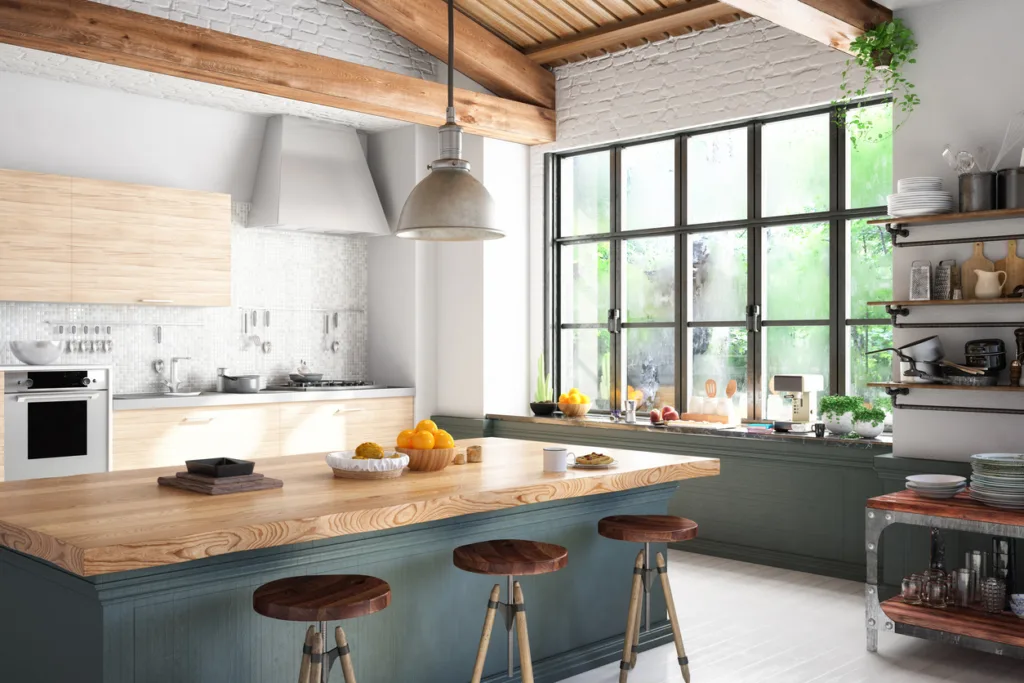
After years of crisp whites and cool gray dominance, designers are signaling warmer, richer interiors in 2026. Rich neutrals like pale greens, rich browns, burgundies and plum, muted pastels – layered with rich wood earth tones are emerging as dominant palettes in interior spaces.
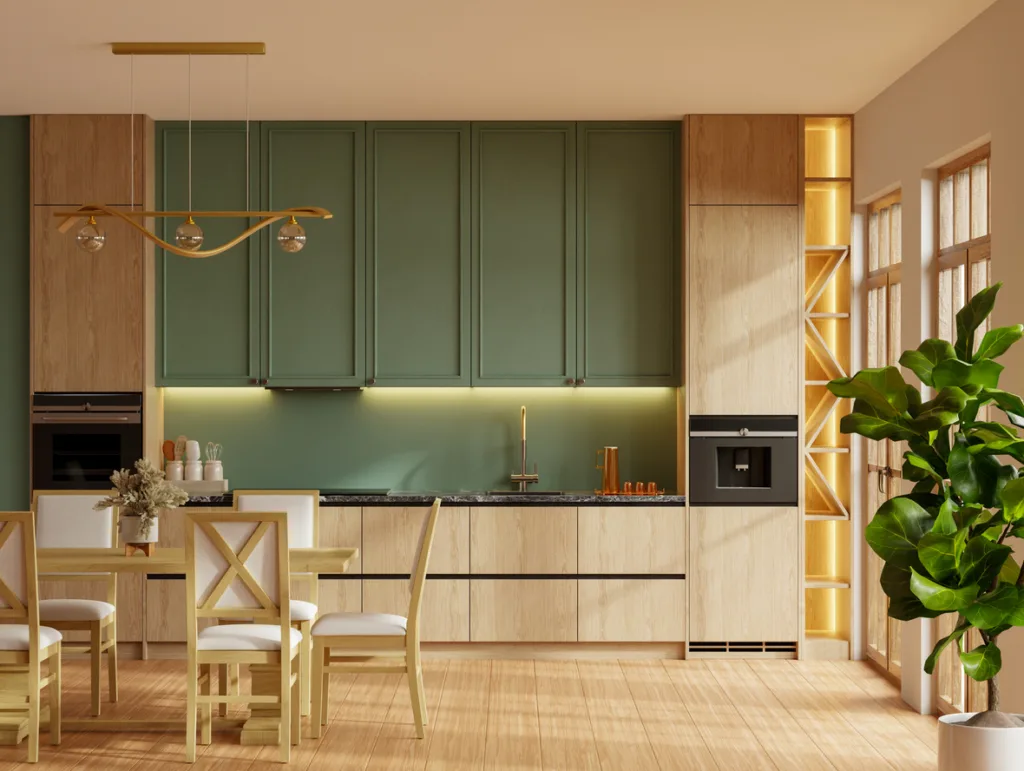
This translates into wood finishing preferences that emphasize signature grain and depth of tone — not washed-out stains, but finishes that bring out the character of the wood while harmonizing with warmer environments.
What This Means for Finishers: Consider water-based stains and dyes that complement mahogany, walnut, chestnut, or cognac tones. These will pair with trending interior palettes and help projects feel timeless and inviting.
Mixing Wood Tones With Purpose
Gone are the days when all wood elements in a space needed to match perfectly. Designers increasingly blend multiple wood tones to create visual interest and warmth.
Mixing light, medium, and dark woods — when done thoughtfully — adds depth and reflects a curated, layered aesthetic.
What This Means for Finishers: It’s probably not a bad idea to hone (or develop) your expertise in custom matching finishes across species. Clients and designers may request cohesive yet varied wood palettes that require nuanced stain and finish application. By the way, our EMCAT+ system is purpose-built for making it easy to work with even the most exotic and/or oily species.
Natural Materials & Texture Take Center Stage
According to The Spruce, interior surfaces (including flooring) are shifting toward authentic texture and natural materiality — matte and honed surfaces over glossy, and tactile natural materials over synthetic looks.
Authentic wood surfaces benefit from finishes that enhance tactile quality rather than mask it.
What This Means for Finishers: Matte and satin sheens that protect while revealing grain and texture may likely be more sought after. And when it comes to glossy looks, try to avoid anything that looks dated or overly synthetic. In our lineup we have two products available in an ultra-flat, 5% sheen: EM9300 Polycarbonate Urethane and and EMCAT+ EC2A Topocoat.
Part 2: Color Direction for Wood Finishers in 2026
After reading the opinions of many color forecasters and rounding up the paint brands that have announced their 2026 “Color of the Year” selections, the palette of 2026 seems to be focused on a mix of warm neutrals, earthy hues, and calming whites.
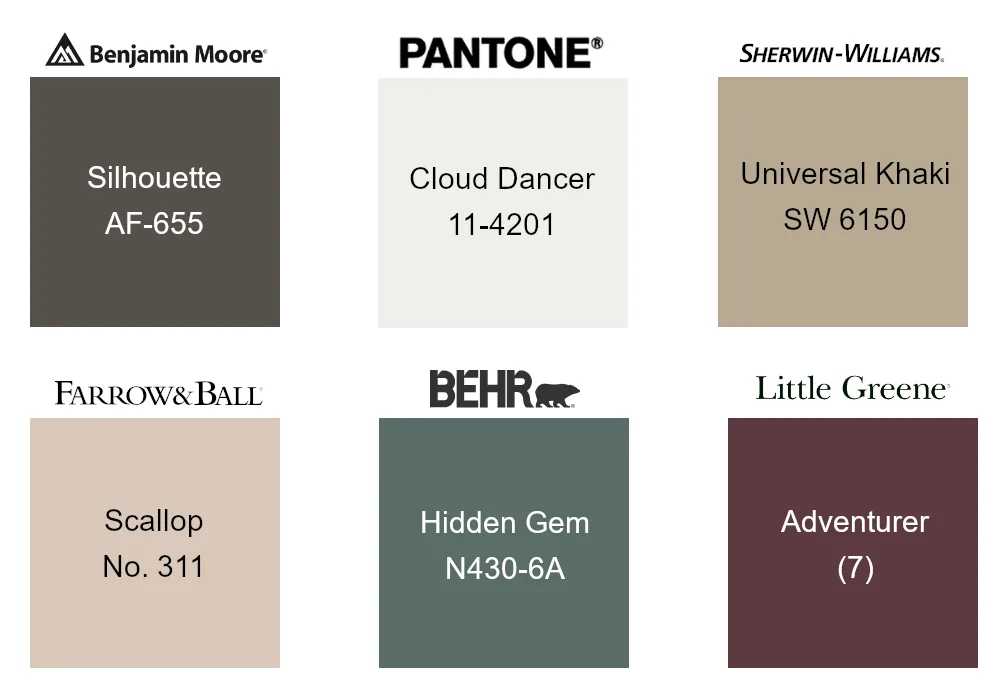
For example…
- Pantone’s Color of the Year is Cloud Dancer (PANTONE 11-4201) , a soft, balanced white suggested to act as a calming backdrop in design.
- Benjamin Moore’s 2026 kitchen color trends center around its “Color of the Year,” Silhouette AF-655, a rich, deep espresso-brown that acts as a sophisticated neutral, paired with enchanting pales, earthy mid-tones, and grounding shades for layered, dimensional looks.
- Key trends include using dark tones like Silhouette on cabinetry for drama against lighter counters, incorporating warmer colors like Southwest Pottery, soft greens (Narragansett Green), and dusty blushes (First Crush), with classic creams (Swiss Coffee) to provide balance.
- Other brands are expecting creamy neutrals, buttery off-whites, and nature-inspired yellows and greens to be on-trend for 2026 interiors.
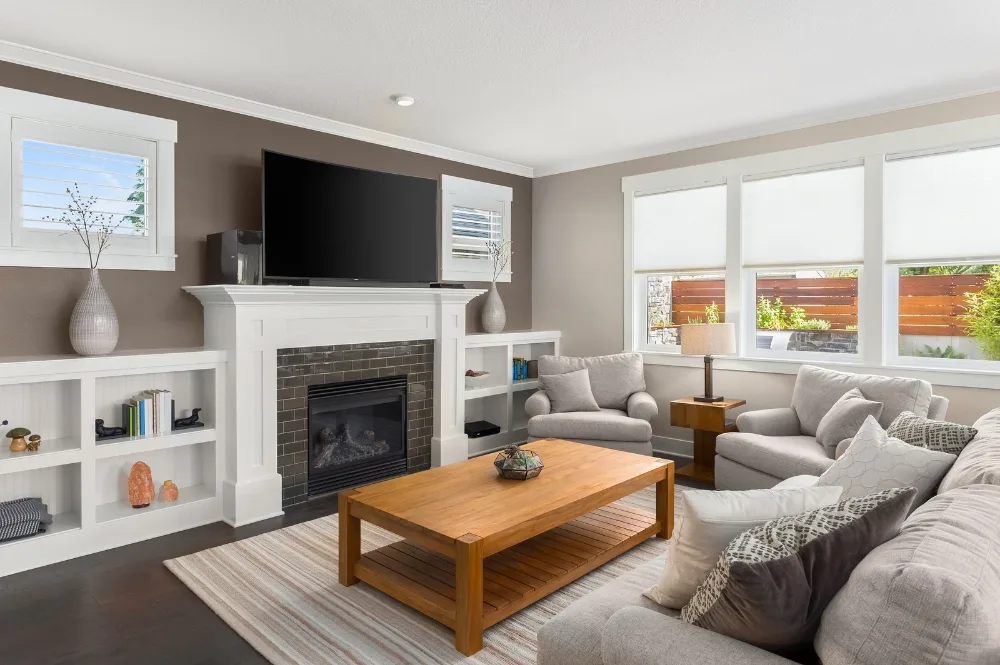
What This Means for Finishers: While paint color forecasts focus on walls and décor, they signal the broader visual context in which your wood finishes will live. Warm neutrals and earthy undertones in a space increase demand for wood stains and topcoats that harmonize — think finishes that enhance richer grain patterns and integrate with tan, beige, and khaki tones.
For applications that call for a pigmented finish, our EM6500 Pigmented Lacquer includes free custom tinting to match any color.
Earthy Vibrancy and Accent Colors
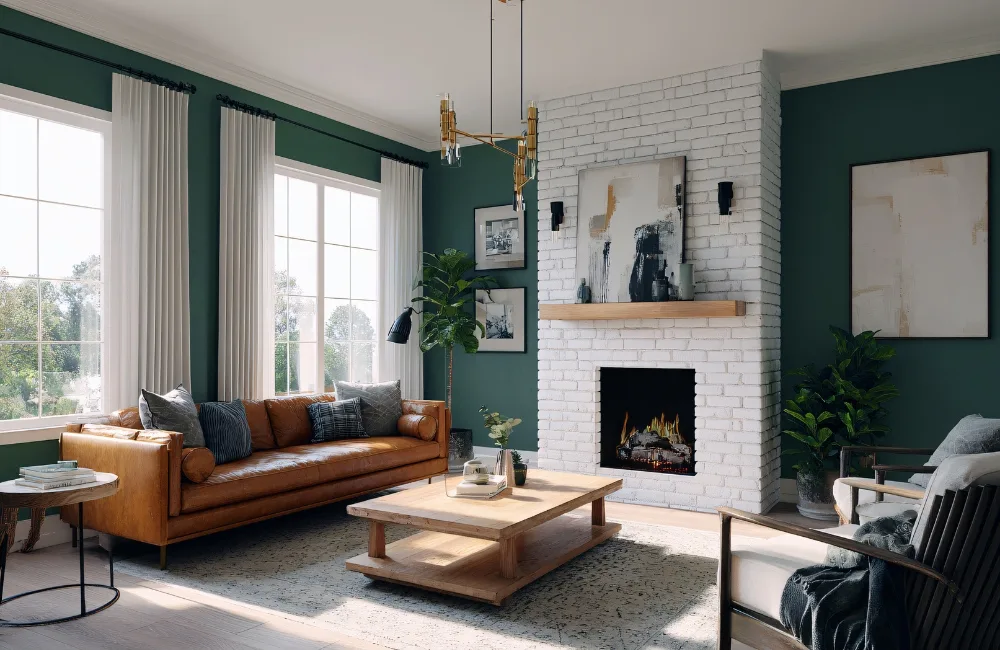
Beyond neutrals, designers are embracing “earthy vibrancy” — deep ochres, olive greens, muddied blues, and plums.
Though not necessarily direct wood stain colors, these accent palettes influence trim and built-in cabinetry decisions. Rich wood tones can serve as a counterbalance or companion to deeper accent colors.
What This Means for Finishers: Be prepared to coordinate finishes with bold interior palettes. For instance, a deep plum or olive accent wall can look striking against warm walnut or chestnut woodwork. To that point, our NR4000 Water-Based Stain is available in 14 fade-resistant colors.
This is a good place to pause before we get into Part 3 which covers trends in sustainability, materials and performance.
Until then, what are you seeing and hearing regarding “color” or other 2026 wood finishing trends? Please share your thoughts or read what others are saying in the comments section below.
Jeff Weiss is the owner and chief chemist at Target Coatings, which has been dedicated to exclusively manufacturing water-based, low-VOC and HAPs-free wood finishes for nearly 40 years. Creator of the first water-based lacquer with 100% burn-in rivaling nitrocellulose lacquer, Jeff is considered one of the “founding fathers” of water-based technology and safety for refusing to accept the “status quo” and for refusing to expose others to chemicals he wouldn’t want to be exposed to. A U.S. Air Force veteran and former volunteer EMT, Jeff has always put service and safety first. Outside of work, Jeff is an avid fly fisherman who enjoys being immersed in and inspired by Earth’s natural beauty.