Water-based polyurethane has become a popular choice for professional and serious DIY wood finishers, woodworkers and homeowners who want a durable finish with low odor and fast drying times. Modern water-based urethane coatings also offer excellent clarity, strong protection, and lower VOC levels compared to many traditional solvent-based finishes.
Even with those advantages, application mistakes can quickly affect the final appearance and performance of the finish. Streaks, bubbles, cloudy spots, rough textures, uneven sheen, poor adhesion, and premature wear are all common issues when the product is applied without the right prep, applicator, film thickness, or dry-time discipline.
The good news is, most of these problems are easy to prevent once you understand how water-based polyurethane behaves. Whether you are finishing furniture, cabinets, trim, built-ins, tabletops, or decorative wood projects, understanding what to do — and what not to do — can help you achieve smoother, clearer, and longer-lasting results.
Using the Wrong Applicator
One of the most common mistakes people make with water based polyurethane is choosing the wrong applicator. Unlike oil based finishes, water based formulas dry quickly, which means the application tool matters a great deal.
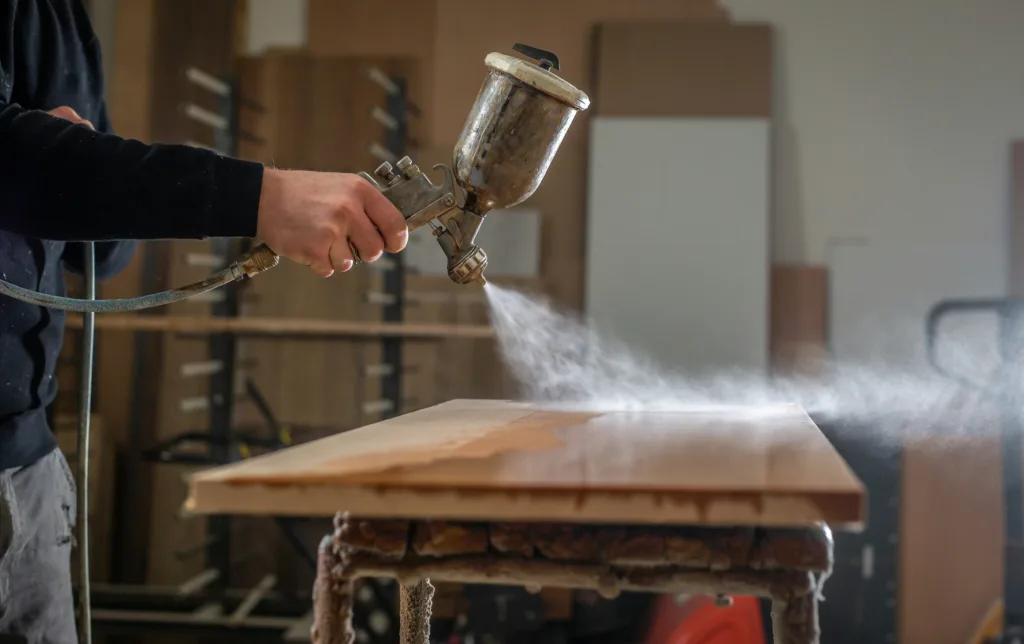
Synthetic bristle brushes are typically the best option for hand application because they help spread the finish evenly without introducing excess bubbles. For larger projects or production work, spraying can provide excellent control, especially when the finish is applied with the right tip size, fluid setting, air pressure, and overlap pattern.
Foam brushes are often tempting because they are inexpensive and easy to find, but they can leave streaks, drag marks, or air bubbles behind. Low-quality rollers may also create texture problems if too much finish is applied at once.
| For smoother results: – Use a high-quality spray system, or a good quality synthetic brush – Apply thin, even coats – Maintain a wet edge during application – Avoid pressing too hard while brushing – Avoid overworking areas that have already started to tack up Professional-grade products like the finishes available at Target Coatings Water Based Polyurethanes are often designed with improved flow and leveling properties that make application easier and help reduce visible brush marks. | 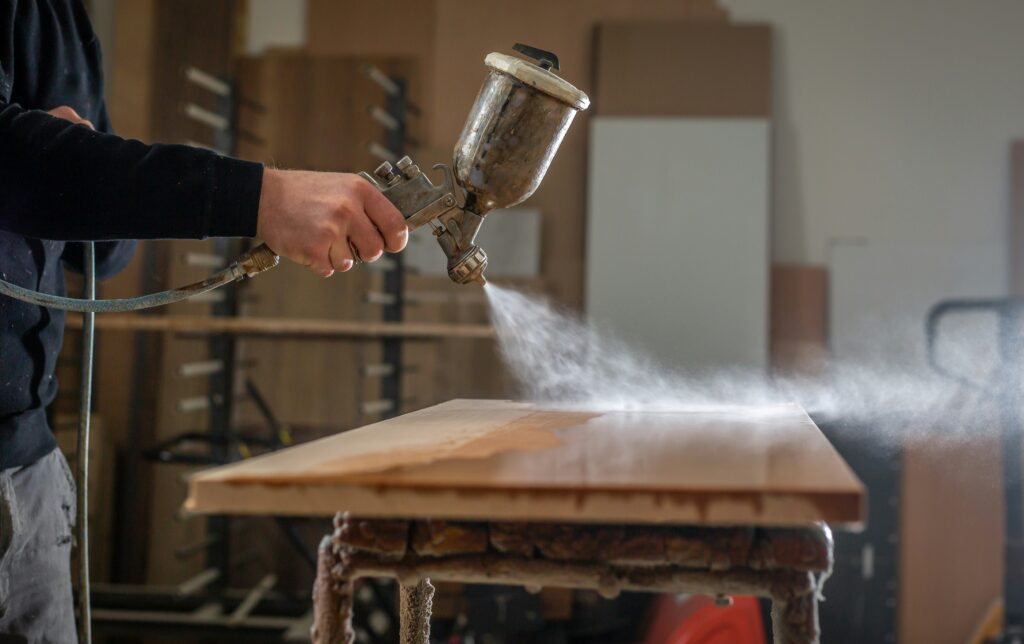 |
Applying Polyurethane Coats Too Thick
Thick coats are one of the fastest ways to ruin the appearance of a water based polyurethane finish. Many people assume heavier application creates better protection, but the opposite is often true.
When coats are too thick, the finish may:
- Dry unevenly
- Appear cloudy or hazy
- Trap moisture
- Create visible ridges or streaks
- Develop runs, sags, or uneven film build
- Take longer to cure properly
Water based polyurethane performs best when applied in multiple thin, controlled layers. Thin coats dry more consistently and allow the finish to level naturally, and reduce the risk of trapped moisture or cloudy appearance.
A better approach is to apply three or four thin coats rather than one or two heavy coats. This method produces a clearer, smoother, and more durable finish.
It also gives you more control over the final film build, which is especially important on darker woods, open-grain species, cabinetry, and high-visibility surfaces.
Skipping Surface Preparation
Even the highest-quality water based polyurethane cannot compensate for poor preparation. Dust, oils, old residue, sanding scratches, wax, silicone, polish, or contamination can interfere with adhesion and create imperfections in the final finish.
| Before applying polyurethane: 1. Sand the surface evenly 2. Remove all dust thoroughly 3. Wipe the surface with a clean lint-free cloth 4. Ensure stains, dyes, sealers or previous coatings are compatible and fully dry 5. Allow the material to dry completely before coating Skipping these steps often leads to: – Rough textures – Poor adhesion – Uneven sheen – Visible contaminants trapped under the finish – Telegraphed sanding marks or surface defects | 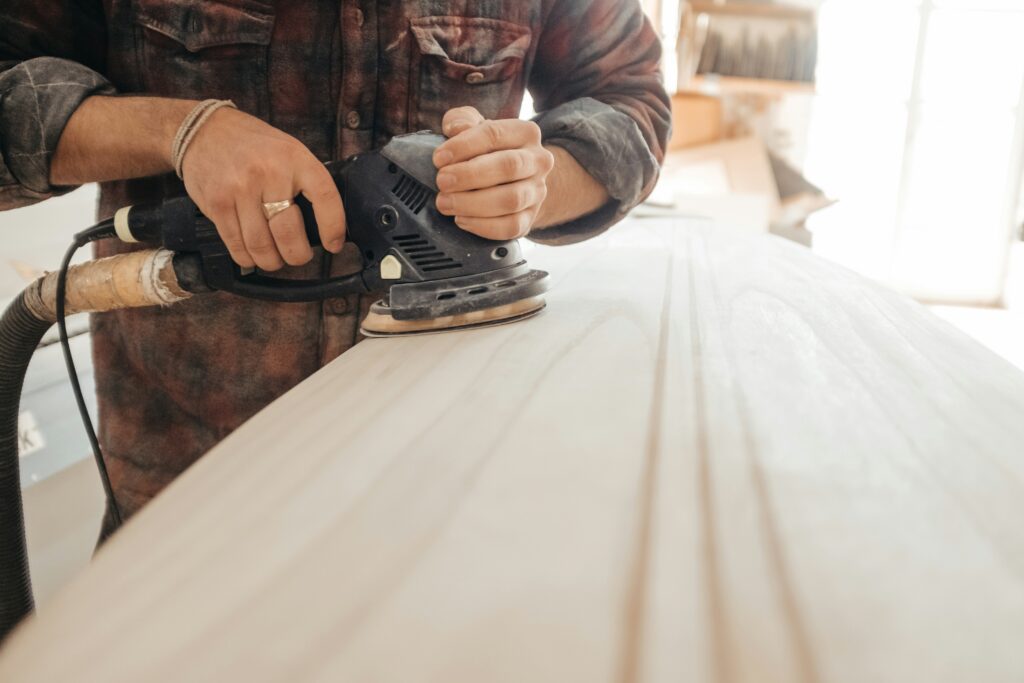 |
Proper preparation is especially important because water based polyurethane tends to highlight imperfections more clearly due to its transparent appearance. On professional projects, surface prep is not just a preliminary step, it’s part of the finish schedule.
Not Sanding Between Coats
Another common mistake is failing to sand between coats. Light sanding helps smooth dust nibs, minor surface texture, and knocks down any raised grain allowing each layer to bond properly.
Without proper intercoat sanding, the finish can feel rough or develop adhesion problems over time.
For best results:
- Use fine-grit sandpaper such as 320 grit or higher
- Sand lightly between coats
- Remove all sanding dust before recoating
- Avoid aggressive sanding that cuts through the finish
- Pay special attention to corners, edges, profiles and raised details
Water based polyurethane often raises wood grain slightly during the first coat, so sanding after the initial application is especially important for achieving a smooth final texture.
For pros and experienced DIYers, this is often where the final surface quality is won or lost.
Overworking the Finish
Because water based polyurethane dries quickly, many people accidentally overbrush or overroll the finish while trying to perfect the appearance.
This usually creates:
- Streaks
- Drag marks
- Uneven sheen
- Bubbles
- Patchy areas
- Lap marks
A better strategy is to apply the finish smoothly and leave it alone once it begins leveling. Constant brushing after the product starts drying can actually worsen the surface appearance.
To avoid overworking the finish:
- Work in manageable sections
- Maintain a consistent application pace
- Avoid repeatedly brushing the same area
- Maintain a wet edge when possible
- Let the product self-level naturally
High-performance water based urethane coatings often provide improved open time, making it easier to achieve professional-looking results without excessive manipulation.
Ignoring Temperature and Humidity
Environmental conditions play a major role in how water based polyurethane performs. Applying finish in poor conditions can dramatically affect drying, clarity, leveling and adhesion.
High humidity may cause:
- Slower drying
- Cloudy appearance
- Extended curing times
- Poor film formation
Excessive heat can lead to:
- Rapid drying
- Visible lap marks
- Uneven leveling
Cold temperatures may interfere with proper curing, adhesion and film development.
Most manufacturers recommend applying water based polyurethane in moderate indoor conditions with stable temperatures and controlled humidity. Good airflow also helps improve drying consistency.
Checking environmental conditions before application can prevent many frustrating finish problems, especially in production shops, garages, basements, and temporary finishing areas where the temperature and airflow can change throughout the day.
Rushing Polyurethane Drying and Curing Times
Fast drying is one of the biggest benefits of water based polyurethane, but many people misunderstand the difference between dry time, recoat time and full cure time.
A surface may feel dry to the touch within hours, but that does not mean the coating has reached full hardness or chemical resistance (ie, full curing) which often takes much longer.
Applying additional coats too soon can result in:
- Irreversible brush marks
- Poor wet-edge control
- Visible Lap-marks
- Poor intercoat adhesion
- Trapped moisture
- Cloudiness or haze
- Soft film build
- Blocking, imprinting or surface marking
- Reduced durability
It is important to follow manufacturer recommendations for:
- Recoat times
- Sanding intervals
- Full cure timelines
- Return-to-service times
Patience during curing helps the finish develop its full hardness and protective qualities. This is especially important on tabletops, cabinets, vanities, shelving and other surfaces that will see regular handling, moisture, abrasion or cleaning with household chemicals.
Failing to Properly Stir your Polyurethane
Many users shake water based polyurethane containers before application. This is a mistake that can introduce large amounts of air into the finish and create bubbles during application.
Instead:
- Stir gently and thoroughly
- Avoid vigorous mixing
- Let the product sit briefly if bubbles appear
- Keep the container sealed when not in use
- Stir periodically during longer application sessions
Proper mixing ensures even distribution of flattening agents and helps maintain a consistent sheen throughout the project.
Using a Low-Quality Water-Based Polyurethane
Not all water based polyurethane products perform the same. Lower-quality formulas may dry too quickly, level poorly, appear cloudy on darker woods, or provide limited durability.
Professional-grade water based urethane coatings often offer:
- Better clarity
- Improved flow and leveling
- Stronger protection
- Lower VOC content
- Enhanced scratch and chemical resistance
- More consistent sheen
- Better long-term durability
Choosing a trusted finish can significantly reduce application problems while improving long-term performance.
For those looking for durable and professional-quality options, Target Coatings Water Based Urethanes offer advanced water based finishing solutions designed for both professionals and serious DIY users.
Quick Checklist for Better Results
Before applying water based polyurethane, remember these essential tips:
- Use high-quality synthetic applicators or properly adjusted spray system
- Apply thin coats instead of thick layers
- Sand properly before and between coats
- Clean dust thoroughly
- Avoid overbrushing or overworking
- Monitor temperature and humidity
- Follow recommended drying sanding and cure times
- Stir gently instead of shaking
- Choose professional-grade products
- Make a sample / “story” board when using over stains, dyes, exotic woods or unknown substrates
These simple practices can dramatically improve the appearance and durability of the final finish.
Frequently Asked Questions
Why does water based polyurethane leave streaks?
Streaks usually occur because of overworking the finish, using the wrong applicator, poor wet edge control, or applying coats too thick. Applying thin coats with a quality synthetic brush or properly adjusted spray system helps minimize streaking.
How do you avoid bubbles in water based polyurethane?
Avoid shaking the container, apply the finish gently, and do not brush aggressively. Thin coat, proper applicators and gentle stirring also help reduce bubble formation.
Should you sand between coats of water based polyurethane?
Yes. Light sanding between coats improves intercoat adhesion by smoothing out raised grain or dust particles.
Why does polyurethane look cloudy?
Cloudiness is often caused by thick coats, trapped moisture, or poor drying conditions. Applying thin coats in controlled conditions usually prevents this issue.
How many coats of water based polyurethane should you apply?
Most projects benefit from three to four thin coats for optimal durability and appearance. High-use surfaces may require a more specific finish schedule based on the product, substrate and performance requirements.
Conclusion
Water based polyurethane can deliver excellent clarity, durability, and fast drying performance when applied correctly. Most finish problems come from avoidable mistakes such as thick coats, poor preparation, rushing dry times, using the wrong tools or ignoring shop conditions.
By focusing on proper application techniques, controlled film build, clean surface prep, and using high-quality products, you can achieve smoother, clearer and more professional-looking results with fewer frustrations along the way.
If you are looking for premium water based polyurethane products designed for durability, clarity, and easier application, explore Water Based Polyurethanes for professional-grade finishing solutions.